

FURNISHED RENTALS
Not every rental needs a
twelve-month lease.
Whether catering to weekend getaways or hosting traveling professionals on short-term contracts, maximize your property's potential beyond the standard yearly lease.
Two Models
Short-term and mid-term aren't the same business.
While both models leverage fully furnished properties, their operational demands, tenant profiles, and regulatory landscapes are entirely distinct. Understanding these differences is the first step in optimizing your portfolio strategy.
SHORT-TERM
(nightly to weekly)
- Target: Transients, vacationers, and weekend leisure travelers.
- Turnover: Extremely high frequency, requiring constant scheduling.
- Operations: Demands intensive hospitality, 24/7 communication, and frequent deep cleans.
- Regulation: Heavily restricted by municipal zoning, caps, and hotel compliance laws.
- Yield Profile: Maximum gross revenue potential, offset by significantly higher operational wear and costs.
MID-TERM
(30 days and longer)
- Target: Corporate relocations, traveling medical staff, and displaced homeowners.
- Turnover: Low frequency, operating more like a traditional lease cycle.
- Operations: Minimal daily management; interactions transition to standard tenant relations.
- Regulation: Generally bypasses strict nightly rental bans and hotel tax requirements.
- Yield Profile: Predictable, highly stable income with significantly lower operational friction.
Matching the correct operational model to your property is the key to maximizing yield while mitigating regulatory risk.
B2B Demand
Most owners don't know this demand exists.
“The tenants are companies, hospitals and insurers.”
Traveling healthcare workers
Travel nurses and specialists require 13-week placements near major medical centers. Their stipends cover premium rates for turnkey living.
Construction and project crews
Infrastructure and commercial development brings specialized teams for 3-9 months. Companies pay directly to keep their crews comfortable.
Insurance placements
Families displaced by fire or flood need immediate, fully furnished housing for 3-6 months. Insurance providers cover the full cost without dispute.
Relocation and corporate
Executives moving to the region need temporary bases while finding permanent homes. Corporate accounts guarantee stable, high-quality tenancy.
This is institutional demand. It's consistent, well-funded, and entirely isolated from vacation seasonality.
WHAT WE HANDLE
Furnished rentals are a different job.
Listing & Marketing
We optimize your property across premium platforms to attract high-quality mid-term guests. Professional photography and strategic pricing ensure maximum occupancy and yield.
Rigorous Screening
Every guest undergoes thorough background and credit evaluations tailored for mid-term stays. We verify employment, travel intent, and references to protect your investment.
Specialized Turnovers
Our dedicated cleaning teams are trained specifically for furnished rentals. We handle deep cleaning, linen changes, and restock essential supplies between every guest.
Design & Furnishing
We curate durable, aesthetically pleasing interiors that appeal to traveling professionals. Our setup process minimizes wear while maximizing comfort and functionality.
Proactive Maintenance
We conduct regular inspections and swiftly address repair needs using trusted local vendors. Preventive care keeps your property in pristine condition year-round.
Transparent Reporting
Receive detailed monthly financial statements and occupancy metrics. We provide complete visibility into your property's performance without the daily operational headaches.
IS YOUR PROPERTY A FIT?
Some properties are. Plenty aren't.
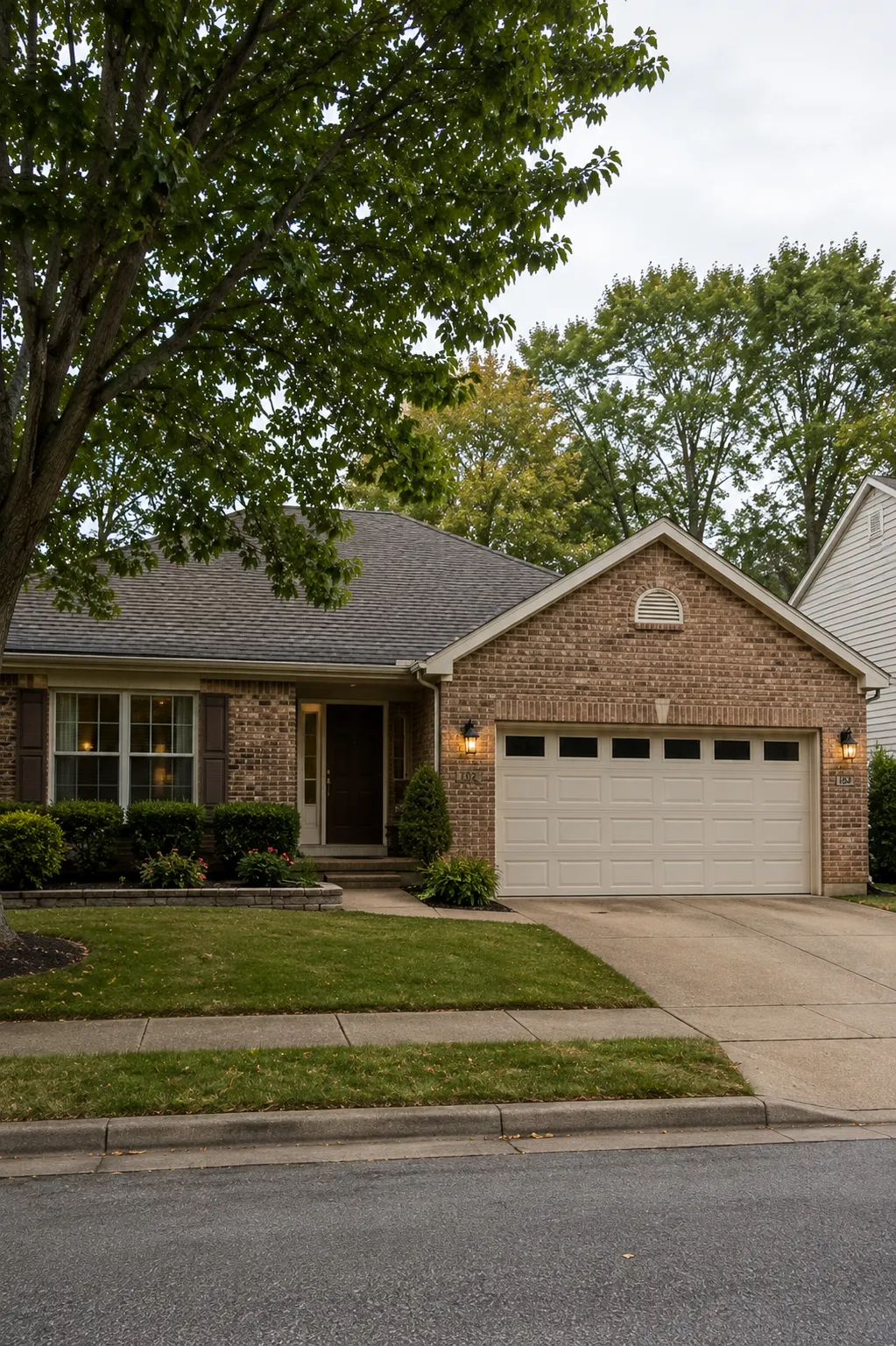
We believe in honest qualification, not just aggressive acquisition. While many management firms will take on any property, the mid-term and furnished rental market is distinctly different. Success requires specific layouts, locations, and amenities that cater to traveling professionals and transitional residents.
If your property doesn't align with what our corporate clients and traveling nurses are looking for, we'll tell you upfront. We only onboard homes where we know we can drive consistent demand and premium returns. Our assessment is completely transparent: no pressure, just clear data on your property's true potential.
BEFORE YOU LIST
The rules are local, and they change.
Every municipality in the St. Louis metro area approaches short-term and mid-term rentals differently. From restrictive zoning ordinances and fragmented city-by-city regulations to strict homeowner association bylaws, the legal landscape is complex and constantly evolving.
Navigating these restrictions requires more than a casual understanding of the market. We evaluate every property against current local codes and insurance requirements before listing, ensuring your investment remains compliant and protected from unexpected liabilities.
Straight Answers
Questions owners ask first
Will I actually make more than with a normal lease?
Sometimes meaningfully more. Sometimes less. Furnished rentals carry higher gross rates and higher costs — furnishing, utilities, internet, cleaning between stays, and vacancy on the calendar. The gross number is the one everybody quotes and the net number is the one that matters. We'll run long-term, mid-term and short-term side by side for your specific address so you can see the actual difference before you spend a dollar furnishing anything.
What's the real difference between short-term and mid-term?
They get talked about together and they behave nothing alike. Short-term means nightly and weekly stays: the highest rates, constant turnover, and the most exposure to city permit rules. Mid-term means thirty days and longer: lower nightly rate, far steadier occupancy, one turn every few months instead of every few days, and usually a company or an insurer paying the bill rather than an individual. Most owners arrive asking about short-term and end up better served by mid-term.
Who actually rents a house for thirty days or more?
Four groups, and most owners don't realize the demand exists in their own zip code. Traveling healthcare workers on contracts that commonly run about thirteen weeks. Construction and project crews housed by their employer for the length of a job. Families displaced by a fire or water loss, with the insurer paying for temporary housing during repairs. And people relocating into the area who need somewhere furnished before they buy. In each case the payer is often an organization rather than an individual.
Do I have to furnish it, and what does that cost?
Yes, for both models — furnished is the entire premise. But you're not buying a designer package. What a mid-term guest needs is a real bed, somewhere to work, a functional kitchen, reliable internet and enough seating. We'll walk the property and give you a specific list with a realistic cost range before you commit, so the furnishing budget is part of the decision instead of a surprise after it.
What about damage, parties and problem guests?
This is the fear that stops most owners, and the honest answer is that stay length does more to solve it than any policy. Somebody booking a house for three months to work a job is a different proposition than somebody booking it for a Saturday night. We screen every booking against the same written criteria in line with fair housing law, set clear house rules, hold a deposit or damage protection, and lean toward longer stays. A thirty-day minimum removes most of the risk people are actually worried about.
Am I allowed to do this with my property?
That depends on your specific address, and it's worth checking before you plan around it. Short-term rental requirements in the St. Louis area are set city by city — some municipalities require registration or a permit, some restrict it by zoning, and some have changed their rules recently. On top of that, your HOA, your mortgage and your insurance carrier may each have their own restrictions. We check the requirements for your address before anything gets listed, and we'll tell you plainly if the property can't be used the way you're hoping.
Can I still use the property myself?
Yes, and plenty of owners do — a lake weekend, the holidays, a few weeks in summer. Blocked dates cost occupancy, so the only thing we'll do is show you what a particular block is worth before you commit to it. Sometimes the number changes an owner's mind and sometimes it doesn't. Either way you're deciding with the figure in front of you.
FREE, NO OBLIGATION
Find out which model your property fits.
See a clear, straight comparison of your options. Discover exactly how your property performs under different rental models with a comprehensive, data-driven analysis.